Wood Style: A Natural Choice for Creative Projects
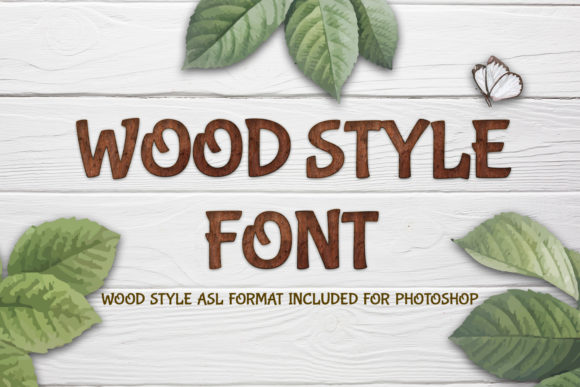
Wood Style is more than just a font—it's an invitation to bring the warmth and texture of nature into your digital creations. Designed with a fun, organic feel, this display font captures the essence of wood grain, knots, and the subtle imperfections that make natural materials unique. Whether you're designing a logo, crafting a website header, or working on a presentation about sustainability, Wood Style offers a fresh and visually appealing way to communicate your message.
Its clean yet textured appearance makes it ideal for projects related to nature, the environment, and outdoor themes. The font’s versatility allows it to work well in both minimalist and detailed designs, making it a valuable tool for professionals and hobbyists alike.
Why Wood Style Matters in Design
In today's fast-paced digital world, standing out is essential. Wood Style provides a distinctive visual identity that can help your content catch attention without being overwhelming. Its natural aesthetic aligns with current design trends that emphasize authenticity and eco-consciousness, which are increasingly important to consumers and professionals across various industries.
For example, if you're running a small business focused on eco-friendly products, using Wood Style in your branding can reinforce your commitment to sustainability. It subtly communicates your values through design, creating a stronger emotional connection with your audience.
Practical Benefits of Using Wood Style
The benefits of incorporating Wood Style extend beyond aesthetics. Here are a few practical advantages that make it a smart choice for many types of projects:
- Enhanced Visual Appeal: The unique texture of Wood Style adds depth and character to any design, making it more engaging and memorable.
- Improved Communication: By choosing a font that reflects your brand's personality, you can better convey your message and create a more cohesive visual experience.
- Time-Saving Flexibility: With its clean lines and readable structure, Wood Style works well for both short headlines and longer text blocks, reducing the need for multiple fonts in a single project.
Who Can Benefit from Wood Style?
Wood Style is particularly useful for individuals and businesses involved in nature-related fields, environmental advocacy, or creative industries that value authenticity. Educators, bloggers, and marketers who focus on sustainability topics will find it especially effective for creating compelling content that resonates with their target audience.
Freelancers and designers working on branding projects for eco-conscious companies may also appreciate how easily Wood Style integrates into existing color schemes and layouts. Its organic feel complements earthy tones, greens, and browns, making it a great fit for a wide range of visual identities.
Use Cases for Wood Style
There are countless ways to use Wood Style effectively. Here are a few real-world examples:
- Website Headers: Use Wood Style for your website's main title or headline to immediately set the tone and reflect your brand's values.
- Environmental Campaigns: Incorporate the font into posters, flyers, or social media graphics promoting conservation efforts or green initiatives.
- Product Packaging: If you're designing packaging for natural or handmade products, Wood Style can enhance the overall look and feel, reinforcing the product's authenticity.
- Educational Materials: Teachers and educators can use it in presentations or handouts related to nature, biology, or environmental science to create a more immersive learning experience.
When to Consider Other Options
While Wood Style is a versatile and attractive choice, it's not always the best fit for every project. For instance, if you're designing something that requires high readability in long paragraphs, such as a formal report or legal document, a more traditional serif or sans-serif font might be more appropriate.
Additionally, if your project has a very modern or technological theme, Wood Style's rustic charm might clash with the intended aesthetic. In these cases, it's worth exploring other fonts that align more closely with your specific goals and audience expectations.
Tips for Working with Wood Style
To get the most out of Wood Style, consider the following tips:
- Pair Wisely: Combine Wood Style with simpler, more legible fonts for body text to maintain readability while still adding visual interest.
- Experiment with Color: Try pairing it with muted earth tones or bold, vibrant colors depending on the mood you want to convey.
- Test on Different Surfaces: Since Wood Style mimics the texture of wood, it can look slightly different on screens versus printed materials. Always test your design in both formats before finalizing.
Conclusion
Wood Style is a powerful tool for anyone looking to infuse their designs with a touch of nature and authenticity. Its unique characteristics make it an excellent choice for a variety of creative projects, especially those centered around environmental themes or natural aesthetics. By thoughtfully integrating this font into your work, you can enhance your visual storytelling, connect more deeply with your audience, and stand out in a crowded digital landscape.
Whether you're a professional designer, an entrepreneur building your brand, or a hobbyist exploring new creative avenues, Wood Style offers a simple yet impactful way to express your vision. Embrace the warmth and texture of this font and let it inspire your next great project.