Little Things: The Charm of a Handwritten Font in Modern Design
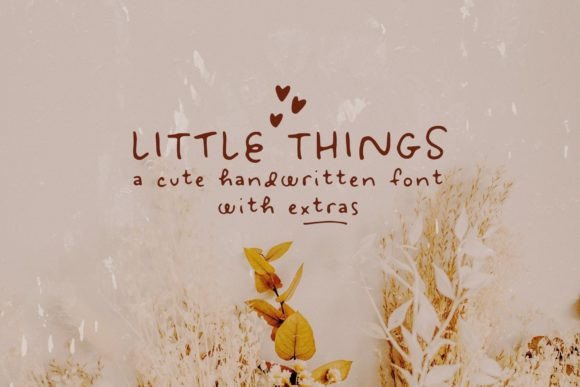
In an era dominated by sleek, minimalist fonts and digital perfection, there's something undeniably comforting about the imperfections of a handwritten font like Little Things. This adorable typeface isn't just another design tool—it's a bridge between the digital world and the warmth of human touch. With its alternate character set, playful underlines, doodles, arrows, and whimsical words, Little Things brings personality, authenticity, and charm to creative projects. Whether you're designing logos, packaging, social media posts, or handmade prints, this font is a perfect fit for those who want to infuse their work with a personal, handcrafted feel.
The Rise of Handwritten Fonts in Contemporary Design
As modern design trends continue to evolve, there's been a noticeable shift toward more organic, human-centric aesthetics. Minimalism has its place, but so does nostalgia, individuality, and emotional connection. This is where handwritten fonts like Little Things come into play. They offer a refreshing contrast to the sterile uniformity of many digital fonts, adding a sense of intimacy and authenticity that resonates deeply with audiences today.
Consumers are increasingly drawn to brands and creators that feel genuine and relatable. A handwritten font can help achieve this by giving your designs a personal, almost conversational tone. It’s no surprise that businesses, marketers, and content creators are turning to such fonts to stand out in a crowded digital landscape.
Why Little Things Stands Out
Little Things goes beyond the basic features of a handwritten font. Its alternate character set allows for greater customization and visual interest, making it ideal for creating unique and eye-catching designs. The inclusion of underlines, doodles, arrows, and other decorative elements adds a layer of fun and creativity that can elevate even the simplest of projects.
Whether you're crafting a logo for a boutique shop, designing packaging for a new product line, or creating social media graphics, Little Things offers the versatility and charm needed to make your brand or message more memorable. Its playful yet elegant style makes it suitable for a wide range of applications—from children's books and greeting cards to wedding invitations and fashion labels.
Practical Applications of Little Things in Creative Work
The beauty of Little Things lies in its adaptability. It's not limited to a specific niche or industry; instead, it can be used across various creative fields. Here are a few practical examples of how this font can enhance different types of projects:
- Logos and Branding: A handwritten font can give your brand a friendly and approachable image. Think of small businesses, local shops, or independent artists looking to create a warm and inviting brand identity.
- Packaging Design: In an age where consumers value sustainability and personalization, using a handwritten font on product packaging can add a unique and eco-friendly appeal. It's especially effective for handmade or artisanal products.
- Social Media Posts: Social media is all about engagement and visual appeal. Using Little Things in captions, headers, or graphic overlays can help your content stand out and feel more personable.
- Prints and Postcards: From personalized thank-you notes to illustrated postcards, this font can bring a sense of joy and nostalgia to printed materials.
- Patterns and Illustrations: Incorporating Little Things into patterns or illustrations can add a whimsical and artistic flair that appeals to both children and adults alike.
These examples highlight how versatile Little Things can be when used creatively. It's not just about choosing a font—it's about choosing the right voice for your project.
Trends Shaping the Use of Handwritten Fonts
The growing popularity of handwritten fonts reflects broader trends in design and consumer behavior. One such trend is the increasing demand for personalization. People now expect brands and creators to engage with them on a more personal level. Handwritten fonts help achieve this by conveying a sense of closeness and authenticity.
Another trend is the rise of "slow design" and mindful creativity. As people become more aware of the impact of fast, mass-produced content, there's a renewed appreciation for handmade, thoughtful, and meaningful creations. Little Things aligns perfectly with this movement, offering a way to create content that feels intentional and crafted with care.
Moreover, the influence of social media platforms like Instagram and Pinterest has made visual storytelling more important than ever. Users are constantly seeking content that stands out and tells a story. A handwritten font like Little Things can help your visuals communicate more effectively and emotionally.
How to Get the Most Out of Little Things
To use Little Things effectively, consider the following tips:
- Experiment with Layouts: Don’t be afraid to try different arrangements and compositions. Play with spacing, alignment, and color to see what works best for your project.
- Combine with Other Elements: Pair Little Things with simple, clean fonts for a balanced look. This contrast can help highlight key messages while maintaining visual harmony.
- Use the Extras: Take advantage of the alternate characters, underlines, doodles, and arrows included in the font. These extras can add personality and depth to your designs.
- Stay Consistent: While handwritten fonts offer flexibility, it's important to maintain consistency in your design choices. This helps build brand recognition and professionalism.
By keeping these tips in mind, you can ensure that your use of Little Things is both effective and aesthetically pleasing.
The Future of Handwritten Fonts in Design
As we move further into the digital age, the role of handwritten fonts in design will likely continue to grow. They provide a much-needed counterbalance to the increasing reliance on technology and automation. In a world that often feels disconnected, these fonts remind us of the importance of human touch and individual expression.
For designers, creators, and entrepreneurs, embracing handwritten fonts like Little Things means embracing a more personal and authentic approach to design. It's about creating content that not only looks good but also feels good—something that resonates with people on an emotional level.
So whether you're a professional designer or simply someone who loves to create, Little Things offers a unique opportunity to bring more warmth, charm, and personality to your work. It's time to let your creativity flow and explore the possibilities that this delightful font has to offer.